
Abiotic stress represents the central and unifying theme of my research, encompassing a wide range of environmental factors that significantly influence plant growth, development, and productivity. These stressors, including drought, soil contamination, and extreme chemical conditions, are becoming increasingly important in the context of global climate change and anthropogenic impacts on ecosystems.
A major focus of my work is the phytoremediation of heavy metals and radionuclides. I investigate how plants interact with these toxic elements, including their uptake, transport, accumulation, and detoxification mechanisms. Particular attention is paid to the physiological, biochemical, and molecular stress responses triggered by the presence of these contaminants, with the aim of understanding how plants cope with and adapt to such adverse conditions.
In addition to contaminant-related stress, my research also addresses drought stress, one of the most critical limitations to plant productivity worldwide. I explore the application of biochar as a soil amendment to mitigate the negative effects of water deficiency. Biochar has the potential to improve soil structure, enhance water retention, and influence nutrient availability, thereby contributing to increased plant resilience under drought conditions.
Furthermore, I am involved in the development and experimental testing of novel substances that could help alleviate drought-induced stress in plants. These efforts aim to identify effective, sustainable, and environmentally friendly strategies to enhance plant tolerance to water scarcity.
Overall, my research integrates fundamental and applied approaches to better understand plant responses to abiotic stress and to develop innovative solutions for improving plant performance in challenging and changing environments.

Toxic Metals & Radionuclides Pollution
Heavy metals and radionuclides are significant environmental pollutants that pose serious risks to ecosystems, agriculture, and human health. These contaminants can accumulate in soils due to industrial activities, mining, and improper waste disposal, where they persist for long periods and may enter the food chain.
Phytoremediation is an environmentally friendly approach that uses plants to remove, stabilize, or detoxify these harmful substances from contaminated soils. Certain plant species are capable of taking up heavy metals and radionuclides through their roots and storing them in aboveground tissues, a process known as phytoextraction. Others can immobilize contaminants in the soil, reducing their mobility and bioavailability.
This strategy offers a cost-effective and sustainable alternative to conventional remediation methods. In addition to cleaning contaminated sites, phytoremediation can improve soil structure and support ecosystem recovery.
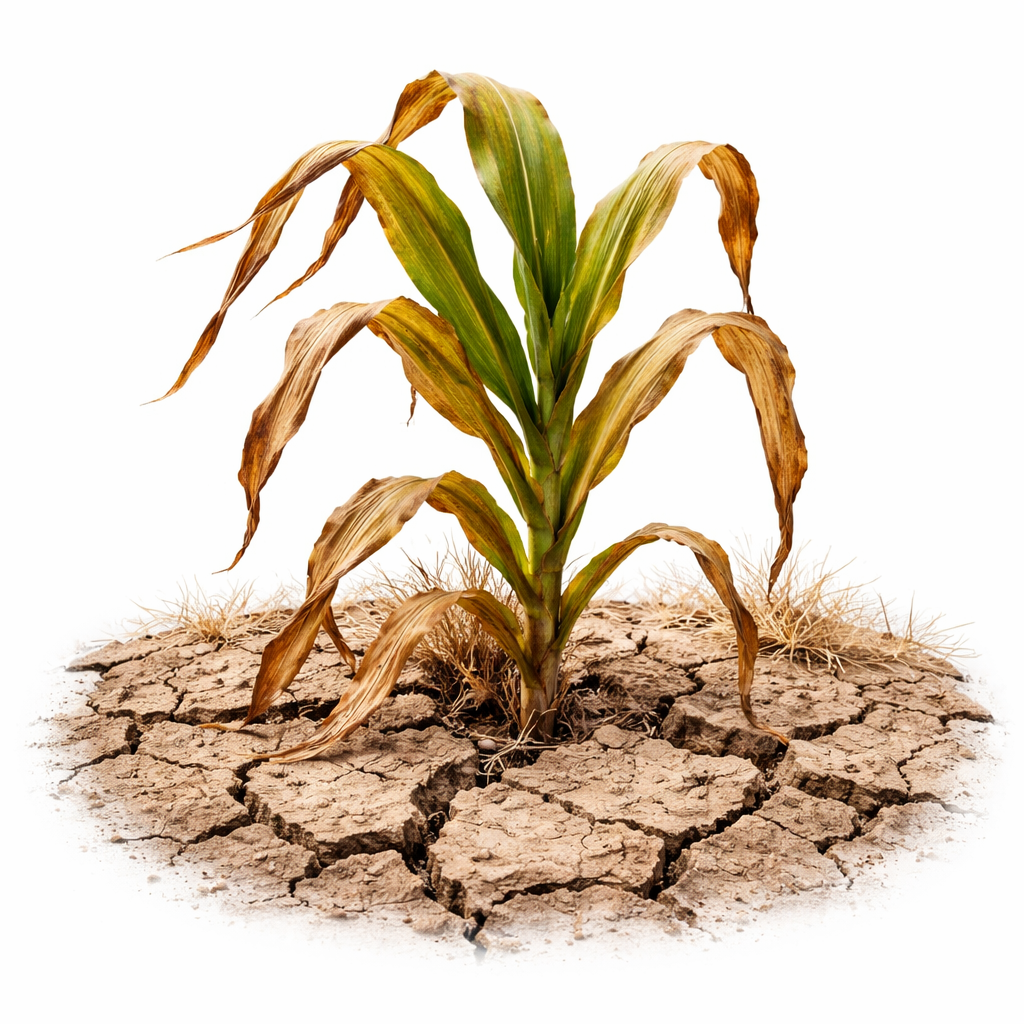
Drought stress
Drought stress is one of the most severe abiotic factors limiting plant growth and agricultural productivity worldwide. It occurs when water availability is insufficient to meet the physiological needs of plants, leading to reduced cell expansion, impaired photosynthesis, and disrupted metabolic processes.
The impact of drought stress on crop yields can be substantial. Water deficiency during critical growth stages often results in lower biomass production, reduced grain filling, and ultimately significant yield losses. These effects vary depending on plant species, developmental stage, and the intensity and duration of the drought.
On a global scale, increasing frequency and severity of drought events due to climate change pose a major threat to food security. Reduced agricultural output can lead to higher food prices, supply instability, and increased vulnerability of already food-insecure regions.
Understanding plant responses to drought and developing strategies to enhance drought tolerance are therefore essential for sustaining agricultural productivity. Improving soil management, breeding resistant varieties, and applying soil amendments are among the key approaches to mitigate the negative effects of water scarcity.
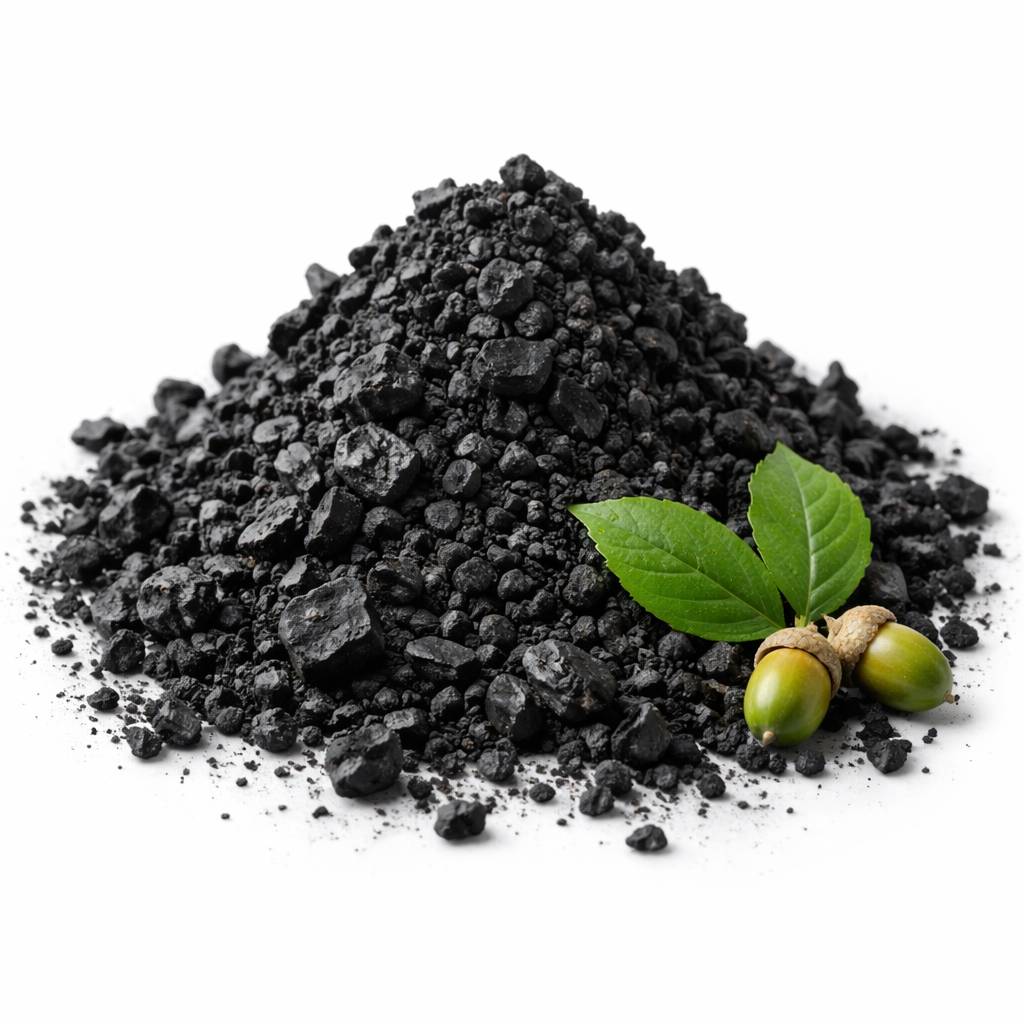
Biochar
Biochar is a carbon-rich material produced by heating biomass in the absence of oxygen (pyrolysis). It is increasingly recognized as an important tool in sustainable agriculture due to its multiple beneficial effects on soil and plant growth.
Its porous structure improves soil aeration and water retention, which helps plants better cope with drought conditions. Biochar also enhances soil fertility by increasing nutrient availability and reducing nutrient losses. In addition, it supports beneficial soil microorganisms, contributing to overall soil health.
Another significant advantage of biochar is its ability to bind pollutants, such as heavy metals, thereby reducing their toxicity and mobility in soil. At the same time, biochar is highly stable and can store carbon in soils for long periods, making it a useful strategy for mitigating climate change.
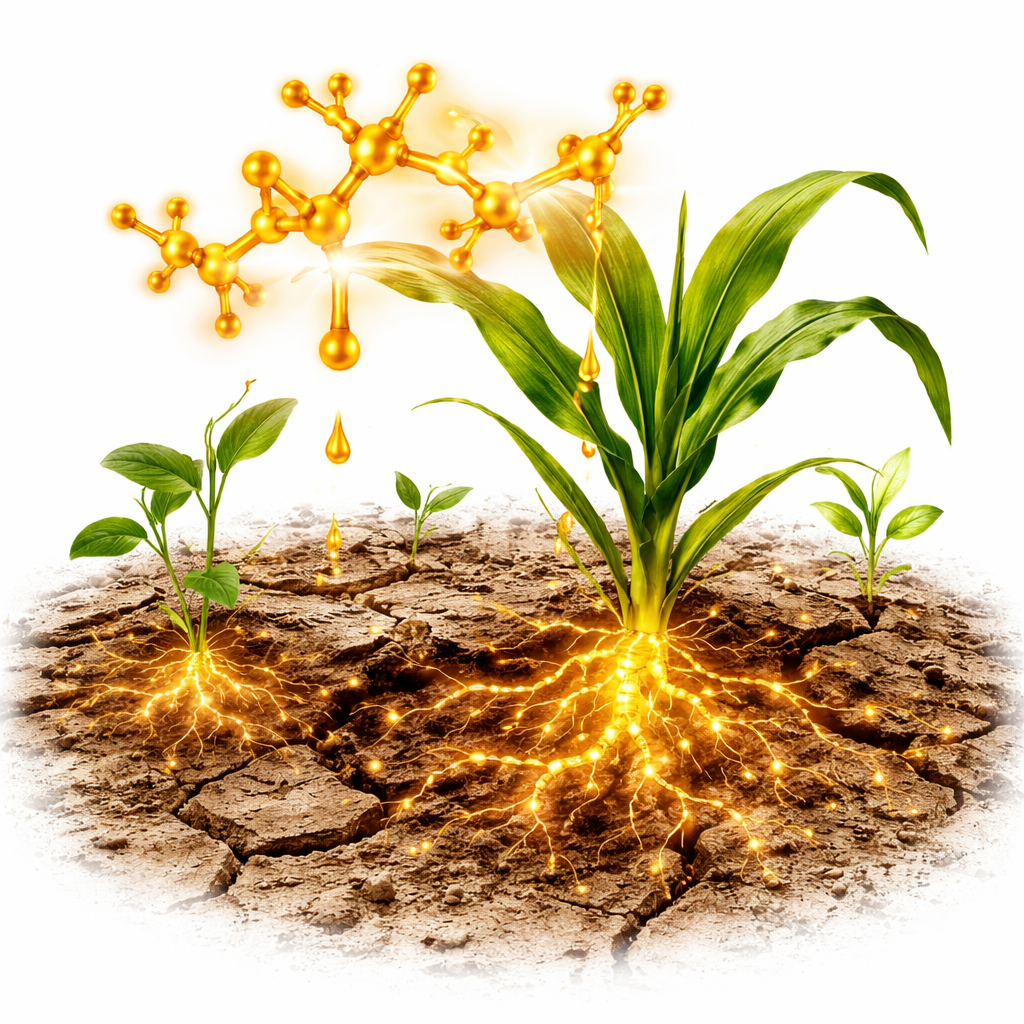
Synthesis of new compounds
The synthesis of strigolactone-like compounds is an emerging area of research focused on developing bioactive molecules with potential roles in plant stress physiology. Strigolactones are naturally occurring plant hormones involved in regulating shoot branching, root development, and interactions with the soil environment, including symbiosis with mycorrhizal fungi.
Synthetic analogues of these compounds are being designed to mimic or enhance their biological activity. These molecules may influence plant responses to abiotic stresses, particularly drought stress, by modulating growth patterns, improving water use efficiency, and enhancing root system architecture. A stronger and more efficient root system can help plants access water more effectively under limited availability.
In addition to drought-related effects, strigolactone-like substances may also contribute to the regulation of oxidative stress. Plants exposed to environmental stress often experience an overproduction of reactive oxygen species, which can damage cellular structures. Bioactive compounds that help regulate antioxidant defense systems could therefore improve plant resilience under adverse conditions.
Research in this field combines organic synthesis, plant physiology, and stress biology to identify compounds with beneficial agricultural applications. The goal is to develop new molecules that can be used to enhance crop tolerance to environmental stress in a sustainable way.